Online booking tool, See real-time availability & Pick your date and slot!
Chimney Sweep Services in Liverpool | Sean the Sweep
-3dafe84.png/:/cr=t:13.28%25,l:0%25,w:100%25,h:75.19%25/rs=w:1080,h:812,cg:true)
Looking for a Chimney Sweep Covering Liverpool?
Here at Sean The Sweep - I am committed to providing a honest, reliable and friendly chimney sweep service!
Sean The Sweep provides professional chimney sweeping services across Liverpool, helping homeowners keep their chimneys, log burners, and open fires clean, safe, and operating efficiently. From Victorian terraces and period properties to modern family homes, every chimney is swept using professional equipment and HETAS-approved methods to reduce the risk of chimney fires, smoke problems, and dangerous blockages. Whether you need a routine chimney sweep, bird nest removal, CCTV chimney inspection, or a certificate for insurance purposes, Sean The Sweep offers a reliable, clean, and friendly service trusted throughout Liverpool and the surrounding areas.
- I am HETAS Approved & Registered
- Fully Insured for peace of mind
- SMS & email reminders as standard
- Weekday & Weekend appointments
- Sweep Certificate provided on completion (for home insurance)
- Cash, Card or Bank Transfer Payment options
- Direct Online Booking
Covering Wirral, Liverpool & Chester!

HETAS Approved and Insured
- Chimney Sweep Covering Liverpool
- Chimney Sweeping: Open Fires, Log Burners, Multifield Stoves & more
- Servicing: Includes firebricks, glass, fire rope seals and more
- Pre Install Sweep
- Bird Nest Removal
- New Home Owner Inspection
- Chimney Drone Checks
Why do I need to sweep my chimney?
You should have your chimney swept at least once a year as a bare minimum. This ensures your chimney is kept as clean as possible and prevents any build up that will become harder to remove if you leave it any longer. There is also a higher risk of a chimney fire
The best way to prove a chimney is being maintained is to show evidence such as a chimney sweep certificate. We provide a proof of sweep certificate.

Local Liverpool Chimney Sweep
Because a chimney is part of a fuel burning system, it can pose a danger if not maintained. A lot Insurance Companies selling house insurance want to know if a chimney being used in a property is being properly maintained. Some insurances wont pay out on the back of a chimney fire with out proof of a sweep.
There were 2,540 reported chimney fires in England from April 2022 to March 2023. Regardless of what type of chimney you have, or even if it's lined, it will still need regular sweeping.
Regular sweeping prevents chimney fires, carbon monoxide poisoning, early detection of issues, improved draft and efficiency, prolongs the life of your chimney/liner, helps you comply with a lot of house insurance policies & reduces smoke and odours
The best way to prove a chimney is being maintained is to show evidence such as a chimney sweep certificate.
Chimney Sweeping Across Liverpool
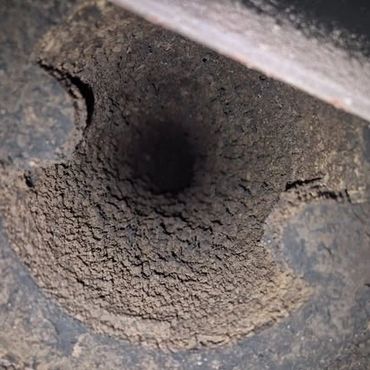
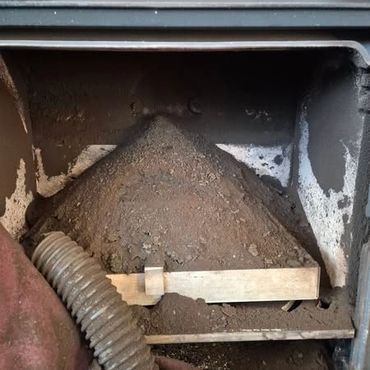
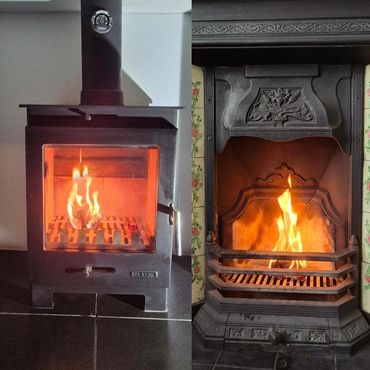
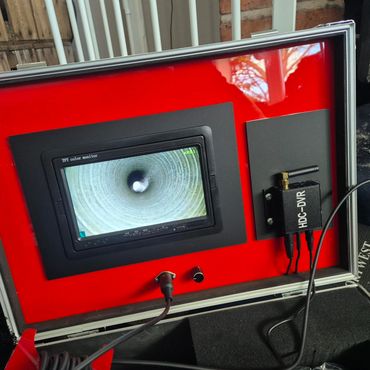
-78e2b77.png/:/cr=t:0%25,l:8.09%25,w:83.83%25,h:100%25/rs=w:370,h:370,cg:true)
CHIMNEY SWEEPing services LIVERPOOL
Chimney sweeping and maintenance is needed for most home insurance policies
Because a chimney is part of a fuel burning system, it can pose a danger if not maintained.
Insurance Companies selling house insurance want to know if a chimney being used in a property is being properly maintained. Some insurances wont pay out on the back of a chimney fire with out proof of a sweep. Regular sweeping helps identify any issues early, helps prevent chimney fires & carbon monoxide poisoning.
The best way to prove a chimney is being maintained is to show evidence such as a chimney sweep certificate. We provide a HETAS proof of sweep certificate.

CHIMNEY SWEEPing in LIVERPOOL areas
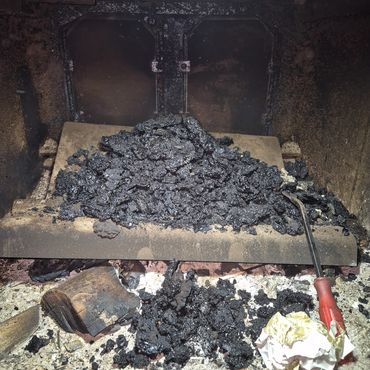
What causes chimney fires? Chimney fires are often caused by a build up of tar/creosote or soot
Whatever you do, don’t try to clean your chimney yourself. Use a professional, accredited chimney sweep. They can inspect your chimney properly and give you a certificate when done.
As well as getting your chimney swept, you should also check the structure is all safe, well-maintained and up to the challenge of coping with modern heating appliances. We suggest lining your chimney if it isn’t already, which should be done by a qualified and certified chimney engineer.
More information can be found on the HETAS website


HETAS Approved
Sean The Sweep
53 Fishers Lane
WIRRAL
CH61 5XE
UNITED KINGDOM
07842107746
hello@seanthesweepwirral.co.uk
https://www.hetas.co.uk/business/sean-the-sweep/
book liverpool chimney sweep

Do I need my chimney sweeping?
Yes, Regular cleaning will remove soot and creosote, helping prevent dangerous chimney fires. Cleaning will increase the efficiency of some appliances. Bird nests, cobwebs and other blockages will be removed.
If your chimney is not swept the build of soot could create a fire hazard causing a possible chimney fire. The flue risks becoming blocked by soot, brickwork falling, nesting birds or even smoke coming back into the room.
During your annual sweep and inspection, we thoroughly inspect all appliances
Benefits of Regular Chimney Sweeping?
- Safety - Prevent chimney fires, carbon monoxide/CO poisoning, early detection of issues
- Improved draft and efficiency
- Prolong life of the Chimney/liner
- Compliance with your house insurance policy
- Reduce smoke and Odours
How long does a chimney sweep take?
Add an answer to this item. A sweep usually takes 45 - 90 minutes plus, depending on the type of appliance and deposits removed. Occasionally we come across some surprises and it may take longer but we will discuss this with you onsite at the time.
Will having my chimney swept make a mess?
Chimney cleaning is a messy process but we have multiple methods of sheeting up a fireplace to suppress soot, dust and debris. We also us a professional industrial HEPA filtered vacuum throughout the sweeping process to collect soot and dust particles.
Do you supply certificates?
Yes, we supply HETAS certificates on completion of the sweep. This is proof you have maintained your chimney and fire & complies with a lot of home insurance polices
How should I prepare for a sweeping appointment?
We ask that appliances must not be used at all atleast 24 hours before an appointment
We also ask where possible to have ash and debris removed from the fire/grate before arriving, and move any nearby furniture to allow access for our equipment. Its advised to remove any decorations from the hearth and surround area.
We also ask for access to a plug near to the fireplace so we can power our vacuum and other equipment if needed.
Liverpool - Benefits of a Chimney Sweep:
The Key Benefits of a Chimney Sweep:
The Importance of Regular Chimney Sweeping
If you use your fireplace or stove regularly, we recommend having your chimney swept at least once a year — more often if you burn wood frequently.
Benefits of regular chimney sweeping:
- Reduces the risk of chimney fires
- Improves heating efficiency
- Prevents blockages from soot and debris
- Helps avoid dangerous carbon monoxide build-up
- Keeps your appliance running properly
If you're unsure whether your chimney needs sweeping, we’re happy to offer honest guidance.
Areas We Cover Around Liverpool
Sean the Sweep covers:
- Liverpool City Centre
- Aigburth
- Allerton
- Woolton
- Childwall
- West Derby
- Mossley Hill
- Wavertree
- Garston
- Speke
- Crosby
- Bootle
- Huyton
- Prescot
- And surrounding Merseyside areas
If you’re unsure whether we cover your area, just get in touch.
Book Your Liverpool Chimney Sweep Today
Don’t wait until problems arise. Book your professional chimney sweep in Liverpool today with Sean the Sweep.
We provide prompt appointments, competitive pricing, and a service you can rely on.
📞 Call now to book
📧 Or send a message to arrange your appointment
Sean the Sweep – Keeping Liverpool’s Chimneys Clean & Safe.

Chimney Sweep Liverpool – Frequently Asked Questions
The Key Benefits of a Chimney Sweep:
How often should I have my chimney swept in Liverpool?
For most Liverpool homes, we recommend having your chimney swept at least once a year. If you use a wood burner or open fire regularly during the colder months, you may need it swept more frequently. Regular sweeping reduces the risk of chimney fires and keeps your stove or fireplace working efficiently.
How much does a chimney sweep cost in Liverpool?
The cost of chimney sweeping in Liverpool depends on the type of appliance and access to the flue. At Sean the Sweep, we offer competitive, transparent pricing with no hidden charges. Contact us for a clear quote tailored to your property.
Do you sweep wood burners and log burners in Liverpool?
Yes. We specialise in wood burner and log burner sweeping in Liverpool. Modern stoves can quickly build up creosote deposits, especially if wood isn’t fully seasoned. Regular sweeping helps maintain safety, efficiency, and manufacturer warranty requirements.
Is chimney sweeping messy?
No. We use modern, professional equipment and dust-control methods to ensure a clean and mess-free chimney sweep service in Liverpool. We take care to protect your home and leave the area tidy once the job is complete.
Do I need a chimney sweep if I rarely use my fireplace?
Yes. Even if your fireplace isn’t used often, chimneys in Liverpool can become blocked by bird nests, debris, or general soot build-up. An annual inspection helps prevent unexpected problems when you do decide to light a fire.
Do you remove bird nests from chimneys in Liverpool?
Yes. We provide chimney bird nest removal in Liverpool, helping to safely clear blockages and restore proper airflow. If birds are currently nesting, we will advise on the appropriate legal steps and timing before removal.
Can you provide documentation for landlords in Liverpool?
Absolutely. We offer landlord chimney sweeping services in Liverpool, including safety checks and documentation for your records. This is particularly important for rental properties with working fireplaces or stoves.
Which areas of Liverpool do you cover?
We cover Liverpool city centre and surrounding areas including:
Aigburth, Allerton, Woolton, Mossley Hill, Childwall, West Derby, Wavertree, Garston, Speke, Crosby, Bootle, Huyton, Prescot, and nearby Merseyside locations.
If you’re unsure whether we cover your area, just get in touch.
When is the best time to book a chimney sweep in Liverpool?
The busiest period is autumn and early winter. To avoid delays, we recommend booking your Liverpool chimney sweep in late spring or summer so your fireplace is ready for the colder months.